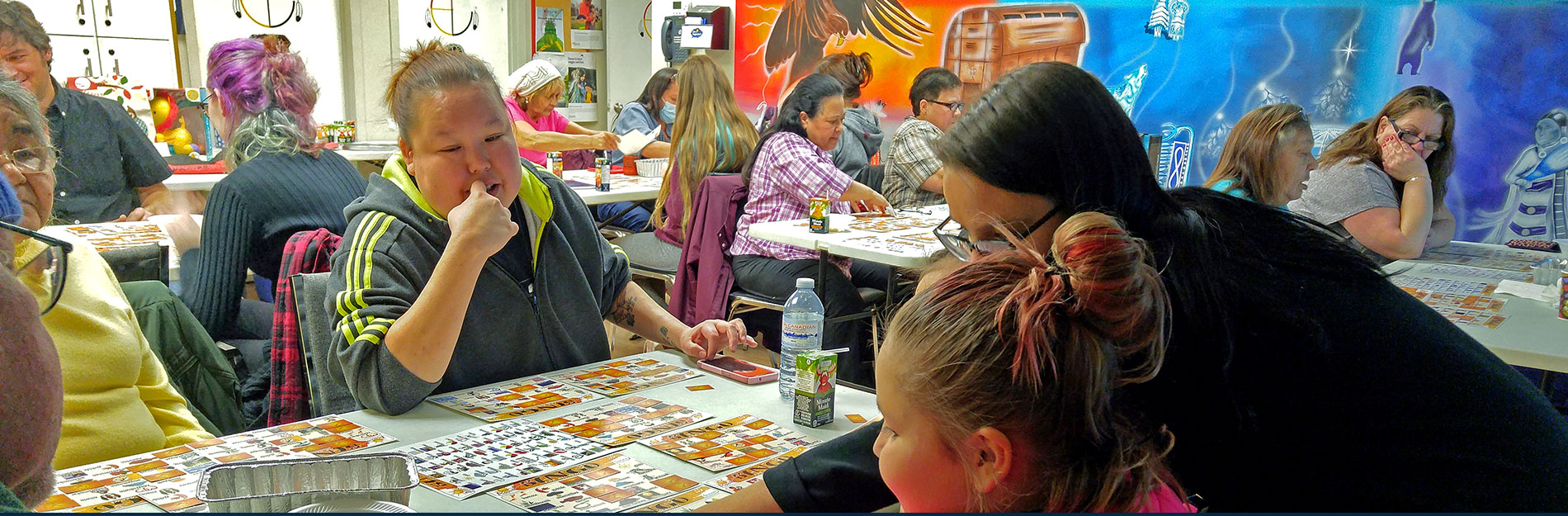
ANISHINAABE BINGO FOR ALL SEASONS
Learning the Anishinaabe Language through public Bingo Events
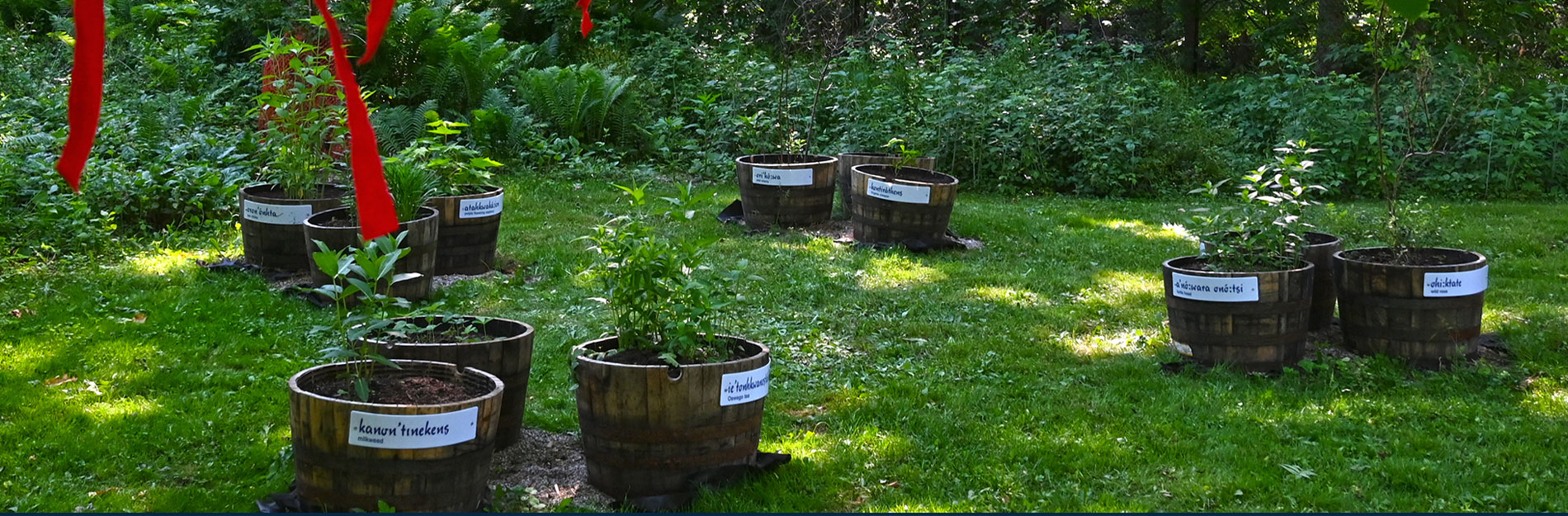

Milkweed Teachings
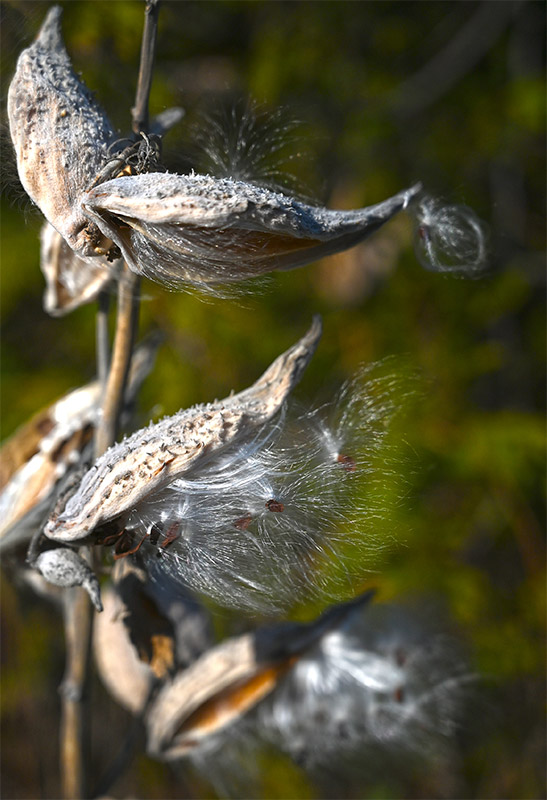
There are over 100 species of milkweed. Milkweed grows abundantly in fields, meadows, and along roadsides. Indigenous peoples used the sap, roots, flowers and stems for treatment of gallstones, lung infections, arthritis and wart removal. Beware however, the milkweed plant is toxic in large quantities. It contains cardiac glycosides which can cause difficulty breathing, dilated pupils and muscle spasms if ingested. Therefore, it is recommended to use this plant topically only.
Milkweed flowers are rich in nectar and pollen and therefore support a wide diversity of insects. In addition to Monarchs, over 450 insect species use milkweed as food and honeybees also rely on it as a nectar and pollen source. Birds use the familiar white fluff from seedpods and fibers from the stems to build their nests.
Skin Healing: Milkweed blossoms can be made into a salve to apply to rashes and insect bites. The white sap of milkweed, toxic in large amounts, has been used topically in diluted forms to treat skin conditions such as warts, ringworm, and other fungal infections. The sapÕs caustic nature helps to remove unwanted growths and promote healing. Fresh milkweed leaves can be used in a poultice to treat skin issues. Crush the leaves and apply them directly to the affected area, covering with a clean cloth for 30 minutes before rinsing with water. For warts, take the freshly cut stem and apply the milk white substance from the stem directly to growths.
Photo by lumaRae Photography
Events
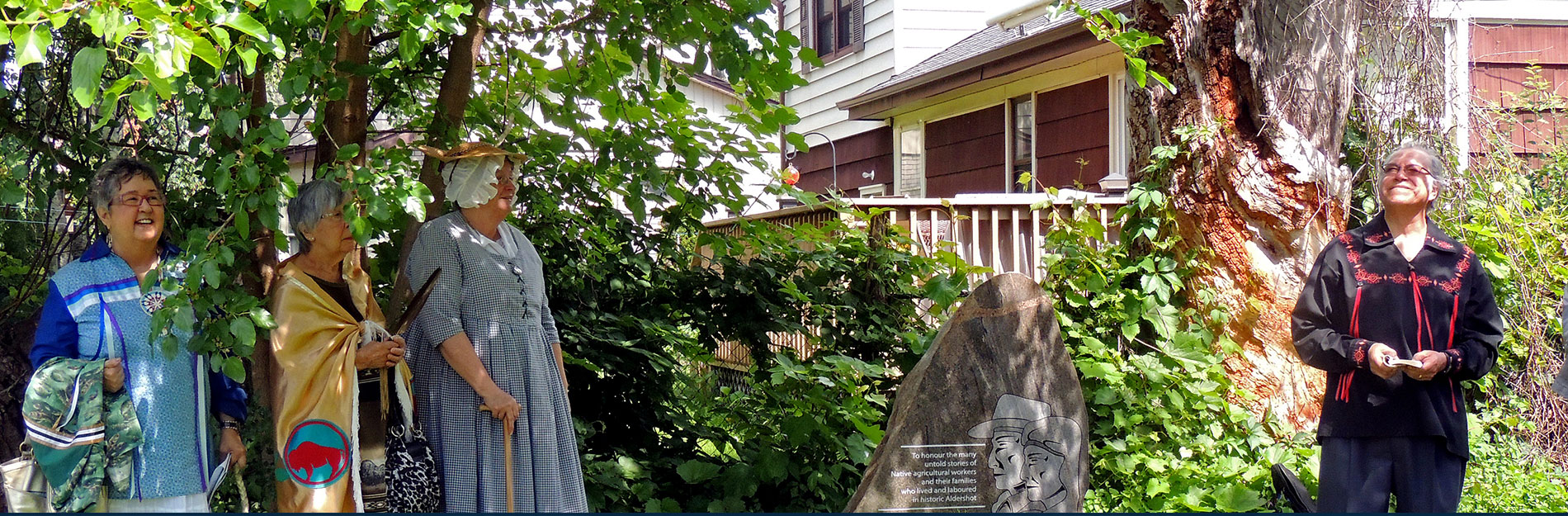
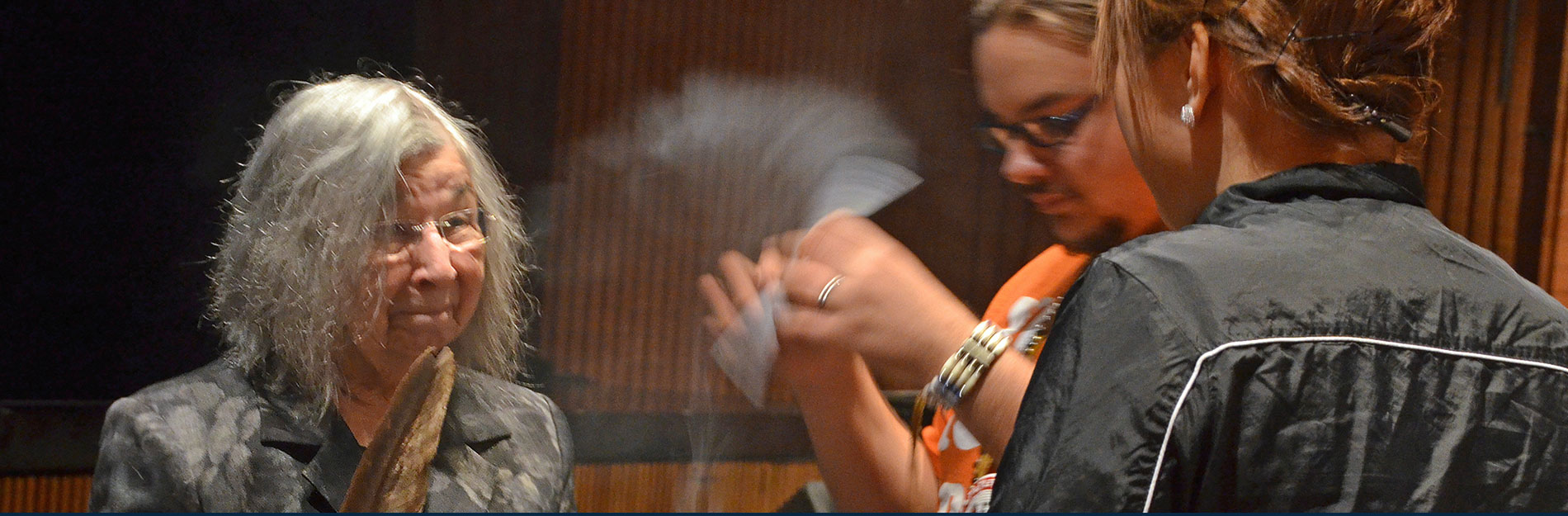
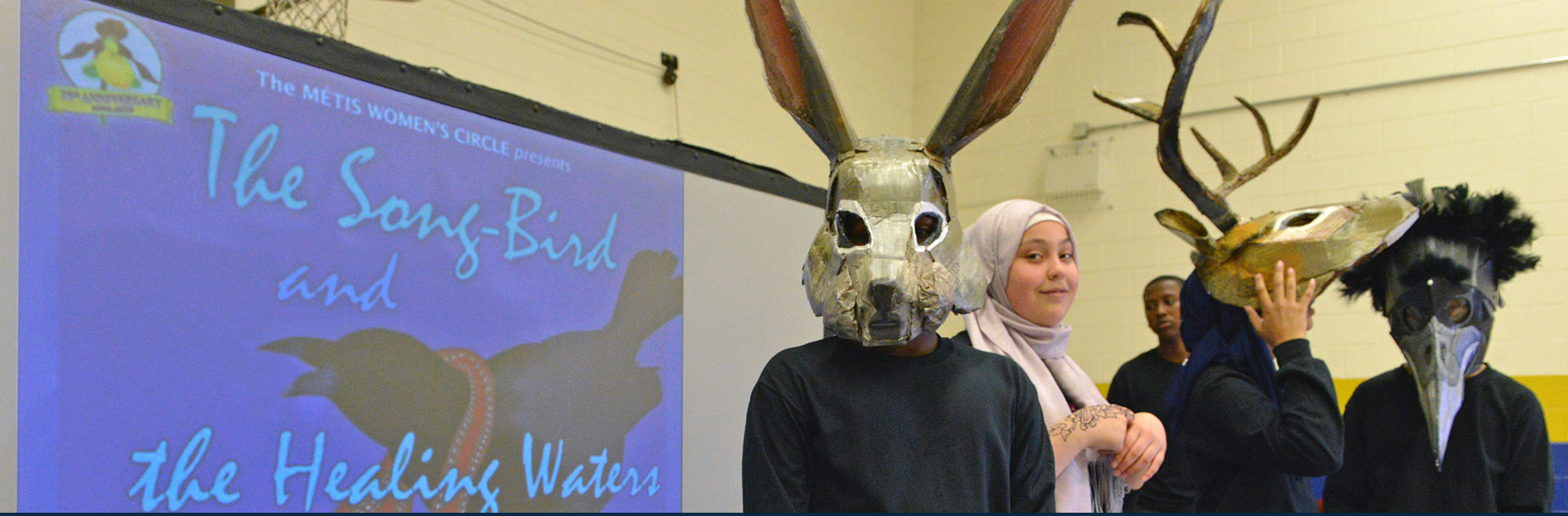
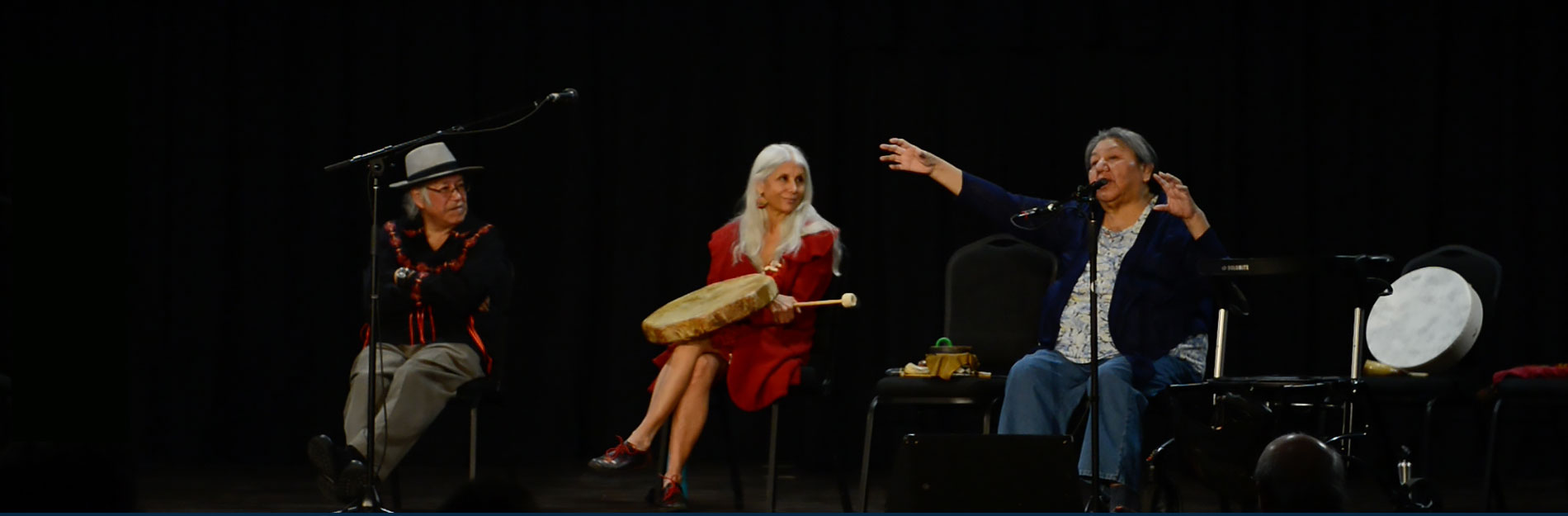
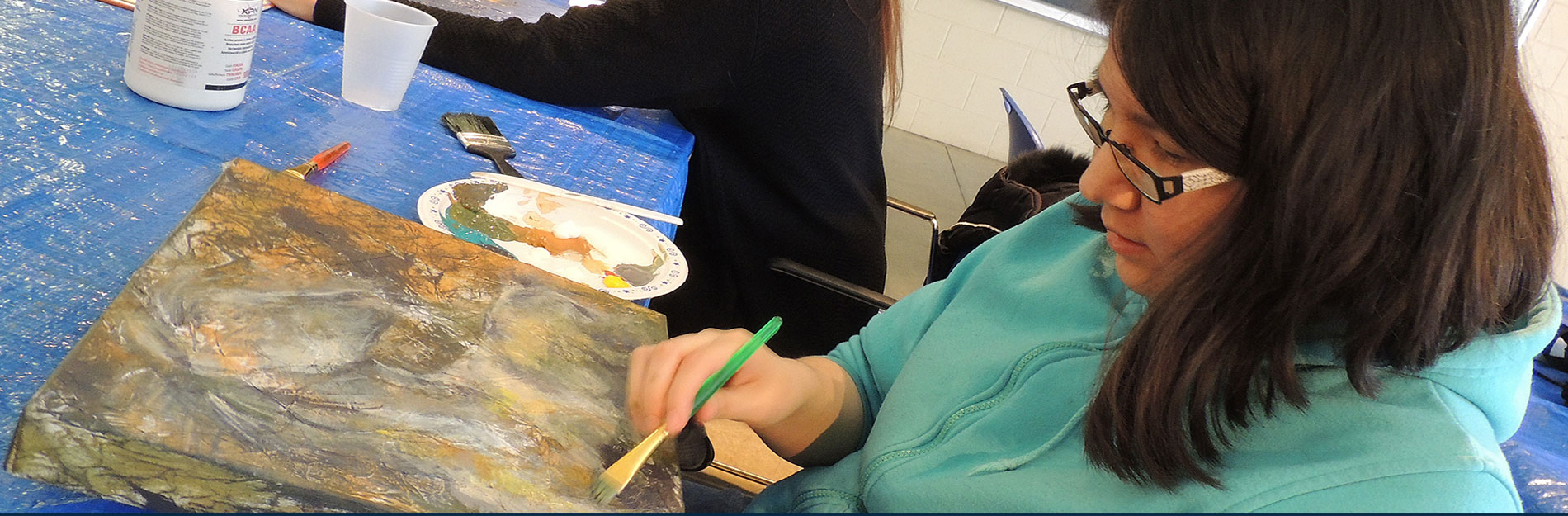
Over the past 25 years, the Métis Women's Circle has provided community engagement events for Indigenous women and their families.

Over the past 25 years, the Métis Women's Circle has provided community engagement events for Indigenous women and their families.
The Flower Beadwork People
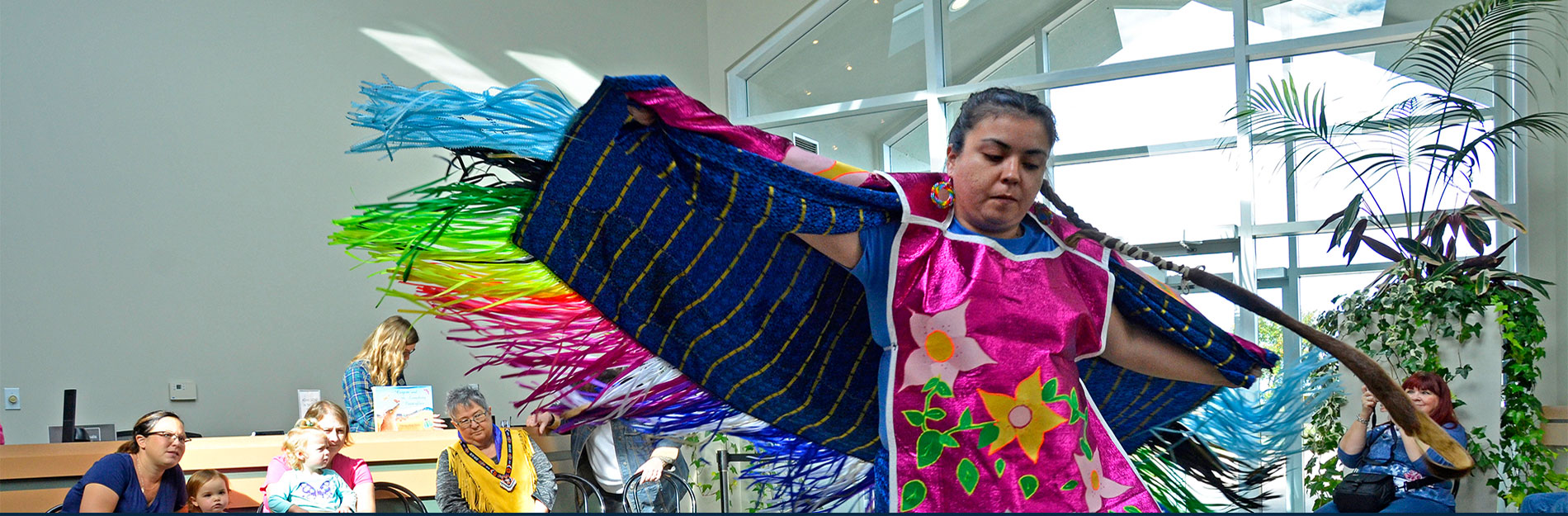
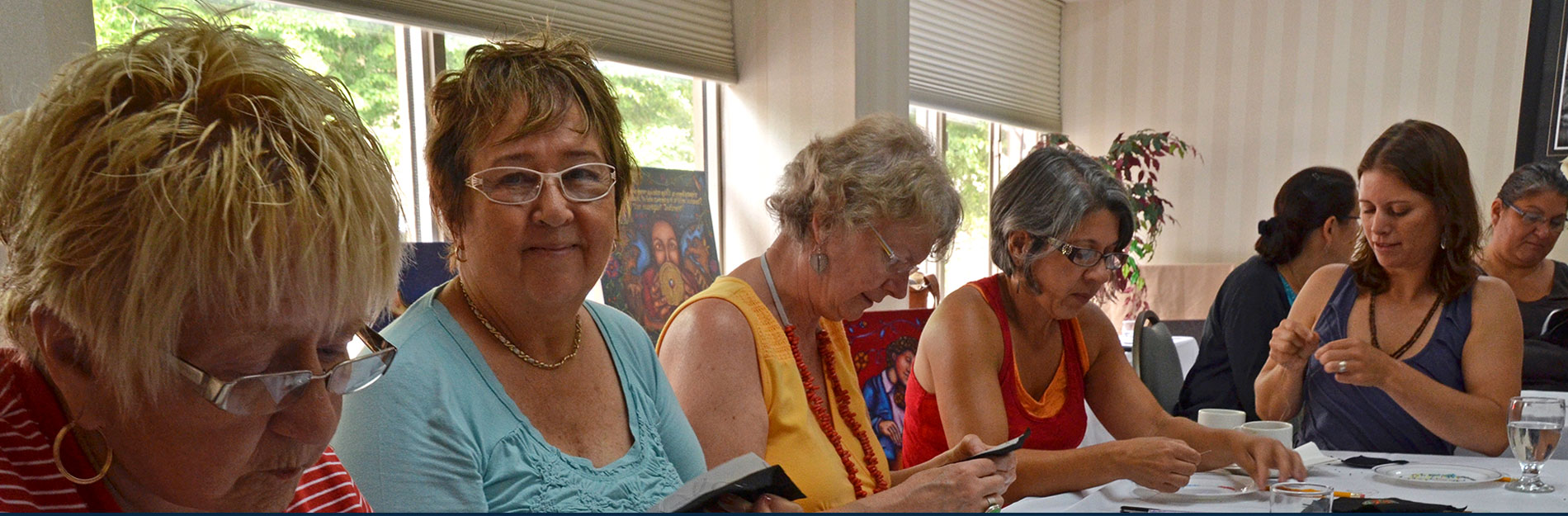
Traditional Métis Beading Workshops
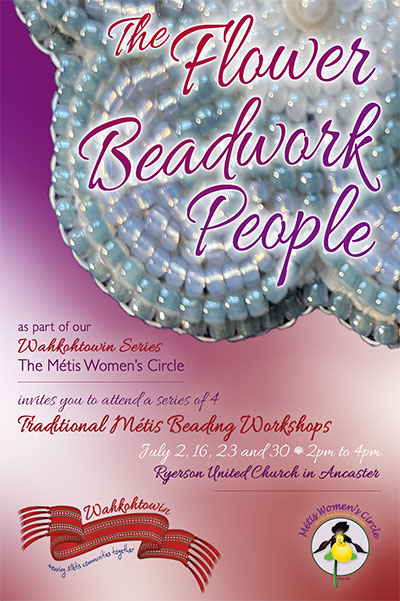 As part of our Wahkohtowin Series, the Métis Women's Circle hosted a series of 4 Traditional Métis Beading Workshops in
July of 2024. See our completed VIDEOS of the project... MORE
As part of our Wahkohtowin Series, the Métis Women's Circle hosted a series of 4 Traditional Métis Beading Workshops in
July of 2024. See our completed VIDEOS of the project... MORE
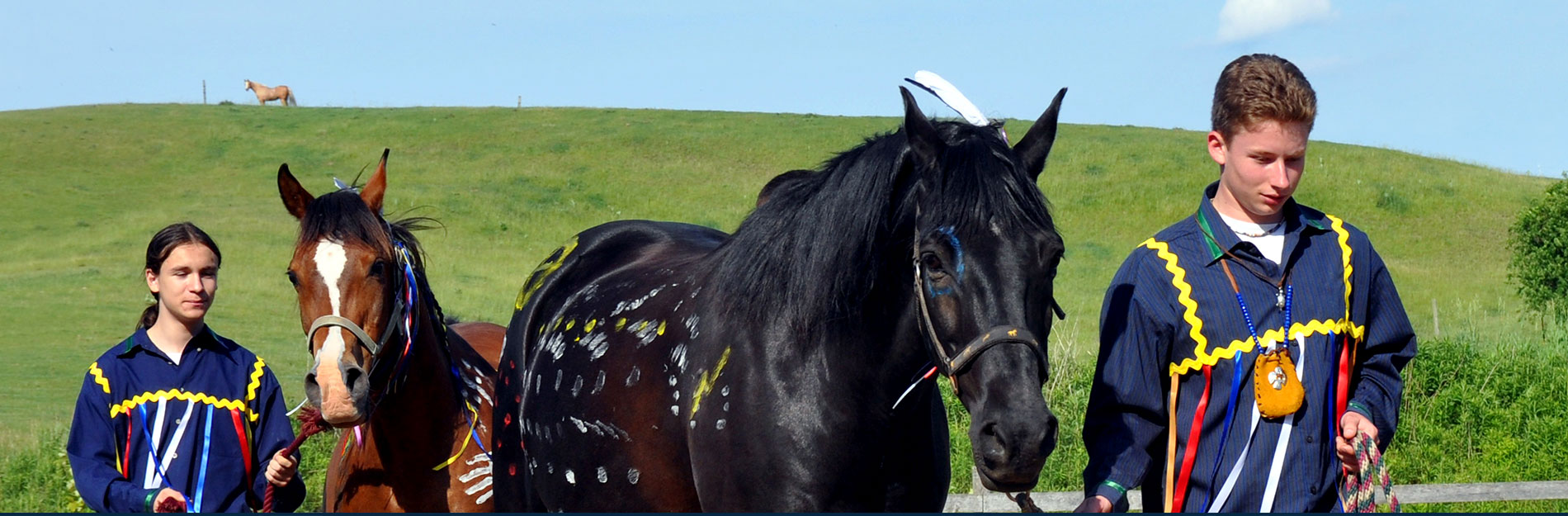
Elder Visit to Spirit Horses
Manitoulin
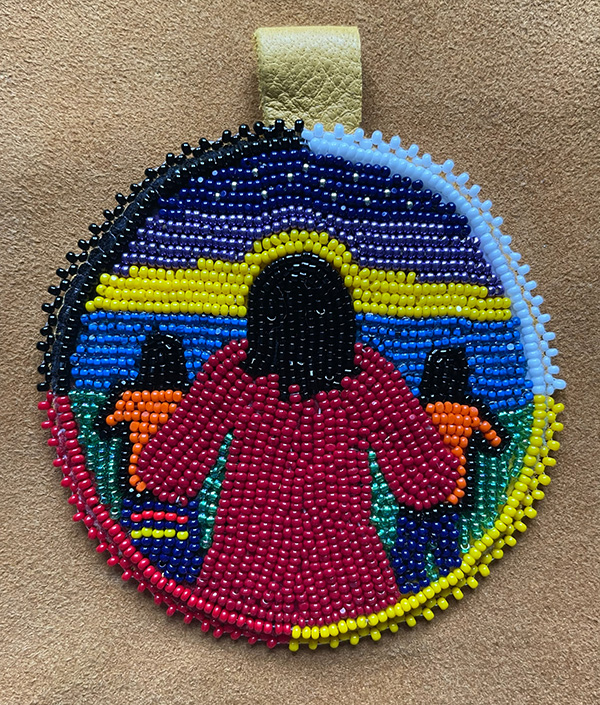 Dr. Carole Leclair and members of our Women's Circle visited the newly arrived Spirit Horses at Manitoulin.
Our beading instructor, Beverly McEwen, created a beautiful medallion in honour of this occasion, which was presented to Reflections Nanaandwejgeijig Bezhigoogizhiik...
MORE
Welcome to the Métis Women's Circle BLOG entitled TradeBeads. Articles and opinions are written by members of the Circle and are on a variety of topics...
'Trees are Good Medicine'March 27, 2024
"In the Spring of 2022 a violent weather event called a derecho swept through Southern Ontario, the Ottawa Valley, and Western Quebec. The force of the winds was something I'd never before witnessed. This fifteen-minute derecho left a swath of destruction; smashed roofs, downed power lines, and up-rooted and snapped trees. After the event (and the ensuing power outage) we surveyed our property for damage and began the clean-up..." MORE

Marriage Officiant
Dr. Carole Leclair (PhD York University Faculty of Environmental Studies and Métis Women's Circle) is certified by the Province of Ontario as an Indigenous Wedding Officiant. Weddings conducted in Métis traditional regalia or secular dress, LGBTQ+ positive. For more information contact the Métis Women's Circle.
Métis Market
From publications to clothing to artwork... the members of the Métis Woman's Circle have created a variety of items which are available for purchase through this website. For more information, click on the links below, visit our Métis Market or email to info@metiswomenscircle.org
'Walking Words'
T-Shirts
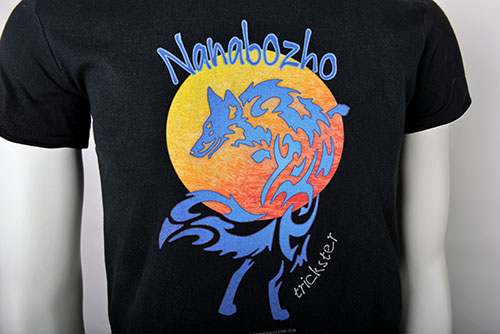
As part of our Walking Words Language Project, the Métis Women's Circle designed and produced eight T-shirts... MORE
'Awn Rond'
Métis Elders' Stories - 2021 Book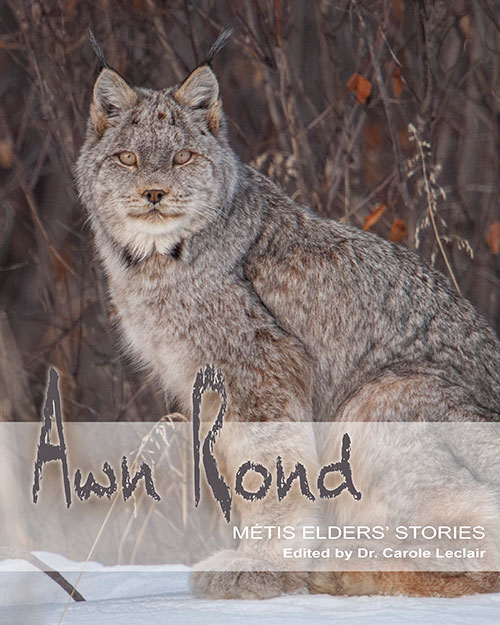
"This little collection got its start when our elders began to imagine, to dream and believe that our informal human experiences would interest others. We put a small team together and set out to gather some life stories of Métis elders in Ontario. Our stories are precious to our communities; our elders know this, and they remind us that we are losing unique and irreplaceable knowledge as each elder goes on ahead to the spirit world..." MORE
From publications to clothing to artwork... the members of the Métis Woman's Circle have created a variety of items which are available for purchase through this website. For more information, click on the links below, visit our Métis Market or email to info@metiswomenscircle.org
'Walking Words'
T-Shirts
As part of our Walking Words Language Project, the Métis Women's Circle designed and produced eight T-shirts... MORE
'Awn Rond'
Métis Elders' Stories - 2021 Book
"This little collection got its start when our elders began to imagine, to dream and believe that our informal human experiences would interest others. We put a small team together and set out to gather some life stories of Métis elders in Ontario. Our stories are precious to our communities; our elders know this, and they remind us that we are losing unique and irreplaceable knowledge as each elder goes on ahead to the spirit world..." MORE
Winged Ones
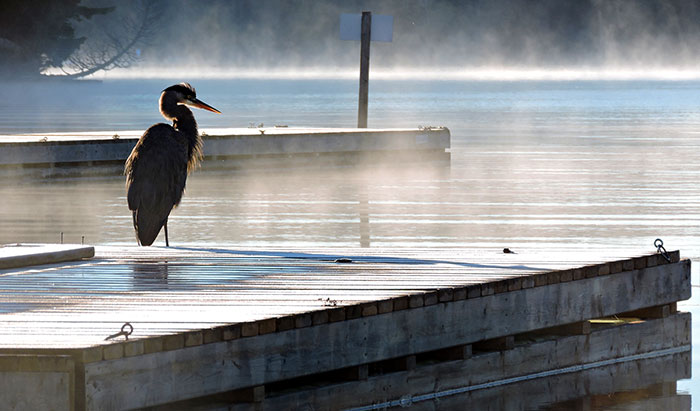
The Crane, or earlier name the Heron, is called baswenaazhi, echo-maker. Because of the Crane's loud call, they are said to be responsible for inter-nation communication.
Heron is the outside chief, because Heron stands above the water, looking out on the world. Loon, also a chief, is called the inside chief, because Loon looks below the water regarding the underwater world. Together both these chiefs settle disputes and give guidance to the community at home.
Once, an Elder travelling to ceremony told me of seeing two herons standing on tree branches beside a river. He understood that they were advising him that there would be disputes at the ceremony and that he would be called on to use the teachings of the sacred way in order to help resolve misunderstandings.
Dr. Carole Leclair
lumaRae Photography
lumaRae Photography
Winged Ones
The Crane, or earlier name the Heron, is called baswenaazhi, echo-maker. Because of the Crane's loud call, they are said to be responsible for inter-nation communication.
Heron is the outside chief, because Heron stands above the water, looking out on the world. Loon, also a chief, is called the inside chief, because Loon looks below the water regarding the underwater world. Together both these chiefs settle disputes and give guidance to the community at home.
Once, an Elder travelling to ceremony told me of seeing two herons standing on tree branches beside a river. He understood that they were advising him that there would be disputes at the ceremony and that he would be called on to use the teachings of the sacred way in order to help resolve misunderstandings.
Dr. Carole Leclair
Articles of Interest...
"We had a few one-on-one sessions in our lifetime as leaders," said Carl Rabbit. During one of these sessions, 'Chief Cattleman said: If we never quit, things will be good for us. Everything will go well. Let us never quit.'"... Cree Leaders Discuss the Powerful Role of Men in Oskâpêwis Cree Society | The Canadian Press
"We had a good life..." Bison in Canada Discover Ancient Petroglyphs, Fulfilling an Indigenous Prophecy | Smithsonian Magazine
"Reconnecting to the potato brings back our stories, our songs, our connection to the landscape..." The Ancient Potato of the Future
"We had a few one-on-one sessions in our lifetime as leaders," said Carl Rabbit. During one of these sessions, 'Chief Cattleman said: If we never quit, things will be good for us. Everything will go well. Let us never quit.'"... Cree Leaders Discuss the Powerful Role of Men in Oskâpêwis Cree Society | The Canadian Press
"We had a good life..." Bison in Canada Discover Ancient Petroglyphs, Fulfilling an Indigenous Prophecy | Smithsonian Magazine
"Reconnecting to the potato brings back our stories, our songs, our connection to the landscape..." The Ancient Potato of the Future
Website Content Disclaimer...
Our website content has been assembled over 25 years of community work. Any reporting older than ten years is archival and we understand
that terminology and content may not agree with word choices currently used.
Our website content has been assembled over 25 years of community work. Any reporting older than ten years is archival and we understand
that terminology and content may not agree with word choices currently used.